
Key Takeaways
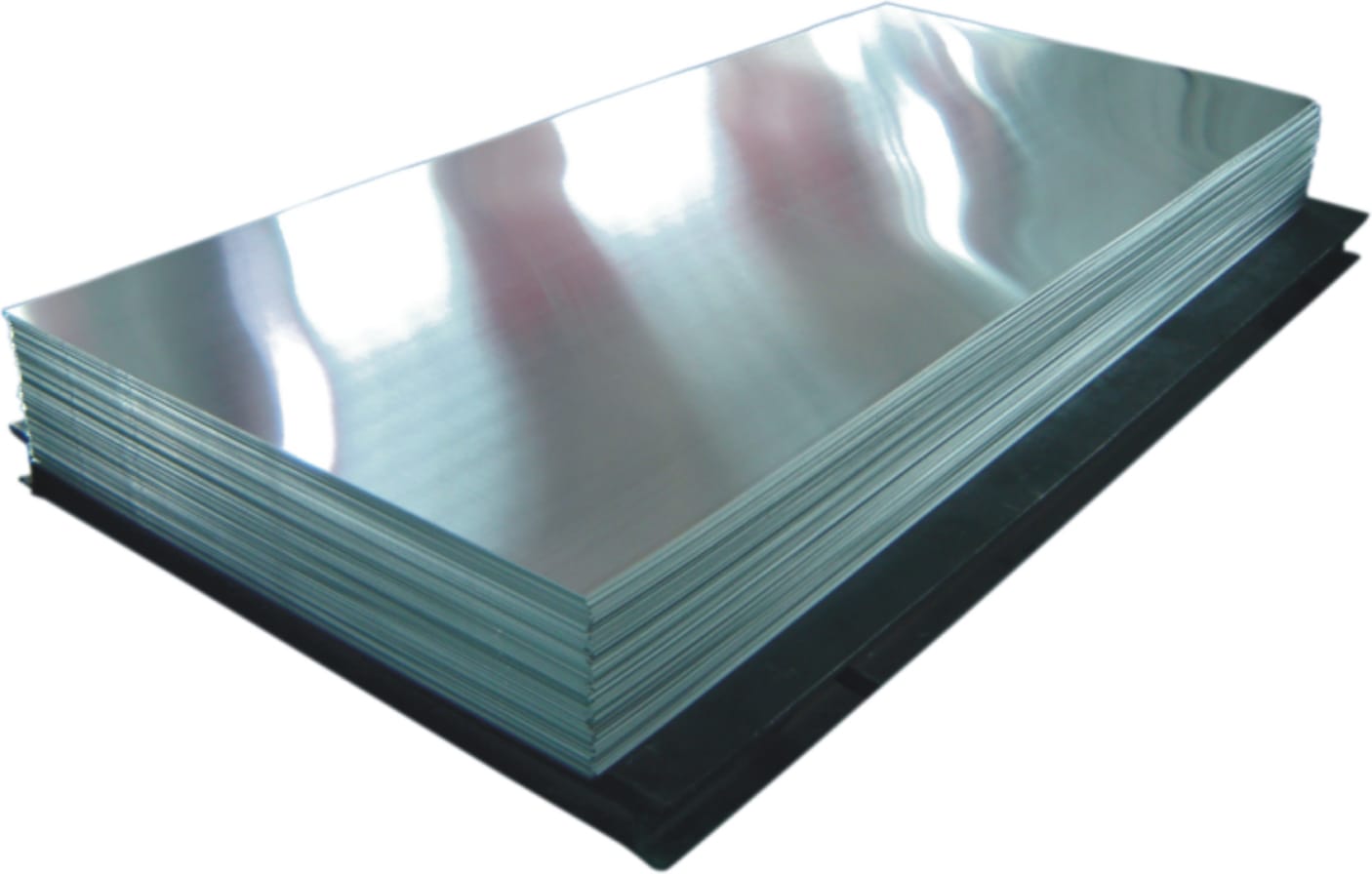
- Aluminium sheets are widely used in Singapore’s construction industry for their durability, corrosion resistance, and lightweight nature.
- Aluminium offers the best balance of performance, weather resistance, sustainability, and aesthetic appeal compared to similar-use materials, such as steel, wood, and plastic.
- It’s the preferred material for facades, roofing, decorative panels, and interior design due to its easy fabrication and low maintenance.
- Aluminium is recyclable, energy-efficient, and suitable for humid environments: a must in Singapore’s construction industry.
- Partnering with a reputable supplier like HiMetal Singapore ensures you get high-quality materials and reliable support for your project.
The face of modern construction in Singapore is changing fast. Developers, architects, and designers are constantly seeking materials that deliver both performance and elegance.
Aluminium stands out. Known for its lightweight nature, durability, and corrosion resistance, aluminium sheets have become a staple in construction and architecture.
From commercial buildings to marine facilities and sleek interior decorative panels, aluminium is now one of the most widely used materials in Singapore’s construction market. But what exactly makes it the preferred material over traditional alternatives like wood or plastic?
Applications of Aluminium Sheets in Singapore’s Construction Sector
Aluminium sheets are known for their versatility. They can be used both structurally and decoratively, thanks to their strength, formability, and visual appeal.
Of course, the quality of the aluminium sheet you’ll receive will also depend on your choice of aluminium sheet supplier.
Building Facades and Cladding
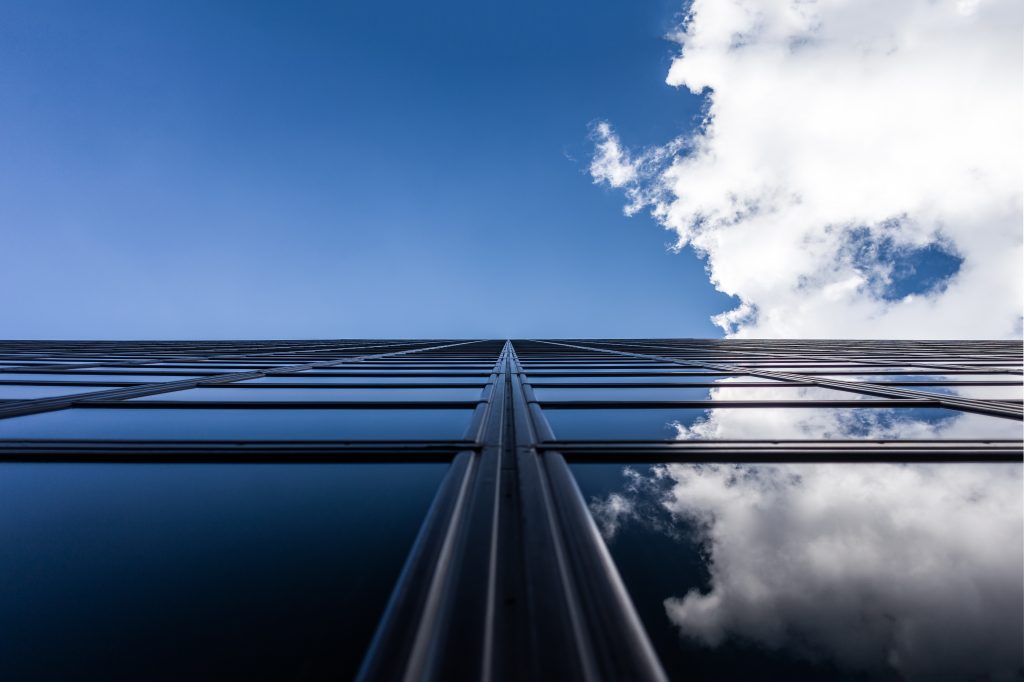
Aluminium as sheet cladding protects buildings from heat, rain, and pollution while adding sleek modern finishes.
Unlike steel, which is prone to rust, or wood, which can rot or warp in humid environments, aluminium cladding stays intact and maintains its aesthetic appeal, thanks to its high strength-to-weight ratio.
Aluminium sheets are also corrosion-resistant, making them excellent for non-fading facades.
With custom fabrication, architects can design intricate aluminium facades that are both beautiful, non-fading, and weather-resistant.
Roofing and Ceiling
Aluminium sheets bring the following benefits to roofing and ceiling systems, whether for commercial or residential structures:
- Easy installation. Aluminium roofing sheets are significantly lighter than steel, making installation easier.
- Lighter structure weight. Due to its stellar strength-to-weight ratio, aluminium roofing helps reduce overall structural weight.
- They make more energy-efficient buildings. Due to their excellent heat-reflective properties, i.e., the building doesn’t absorb heat due to aluminium reflecting it, the building reduces the energy needed to cool the interior.
As such, aluminium sheets are excellent for maintaining a comfortable building interior.
Furniture and Cabinets
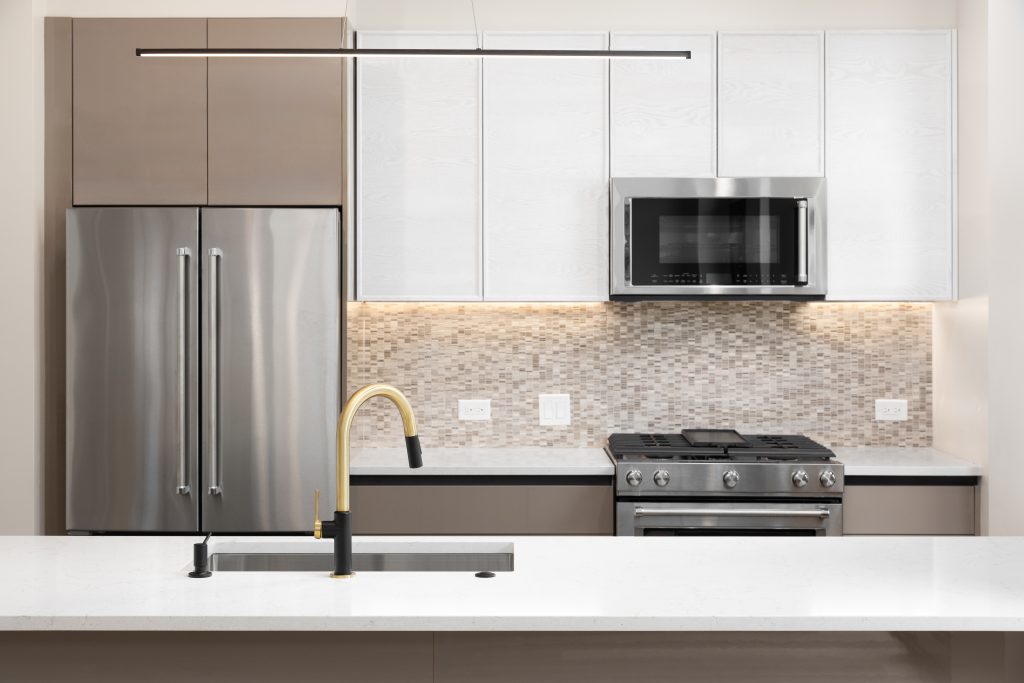
In interior design, aluminium is increasingly being used for furniture, cabinets, and decorative panels. This increase in indoor furniture use is not without its merit:
- It’s resistant to rust, heat, and stains, unlike wood, which requires varnishing.
- Aluminium is resistant to fading, unlike plastic or acrylic.
- Aluminium’s ability to be bent, cut, and polished gives designers more creative freedom while maintaining the high-quality finish that modern interiors demand.
- Aluminium has a distinct finish, making it ideal for specific design schemes.
- Aluminium performs well in the kitchen. The kitchen environment is uniquely demanding. It is regularly exposed to heat, moisture, oils, and cleaning chemicals.
- Aluminium is excellent for bathrooms. Bathrooms are humid environments, and aluminium’s resistance to corrosion and mould makes it perfect for vanity cabinets, mirror frames, and shelves.
In addition to their extensive construction uses, aluminium sheets are widely used in the chic world of interior design, as indicated by the above benefits.
Doors, Windows, and Frames
Aluminium doors and window frames are widely used across commercial buildings and homes in Singapore. This isn’t surprising, considering aluminium’s following properties:
- They’re stronger and longer-lasting than wood. Wood swells with humidity, aluminium doesn’t. This makes aluminium the more weather-resistant material.
- They’re lighter than steel. This makes their utilisation lighter on the frame structure.
- They’re stronger than uPVC, allowing designers and builders to create slimmer frames while maintaining similar strength and function.
- They’re better for tropical climates than the above materials. Wood, steel, and uPVC can crack and become brittle under the heat of tropical weather. Aluminium sheets are more resistant to weather demands, such as extreme heat, and the salty humidity of coastal environments.
As such, more high-end architectural projects are adopting aluminium for door and window frames.
Not only do they provide a bold, distinctive look, but they’re also longer-lasting and more resistant to tropical climates, something door and window frames are very prone to.
Partitions
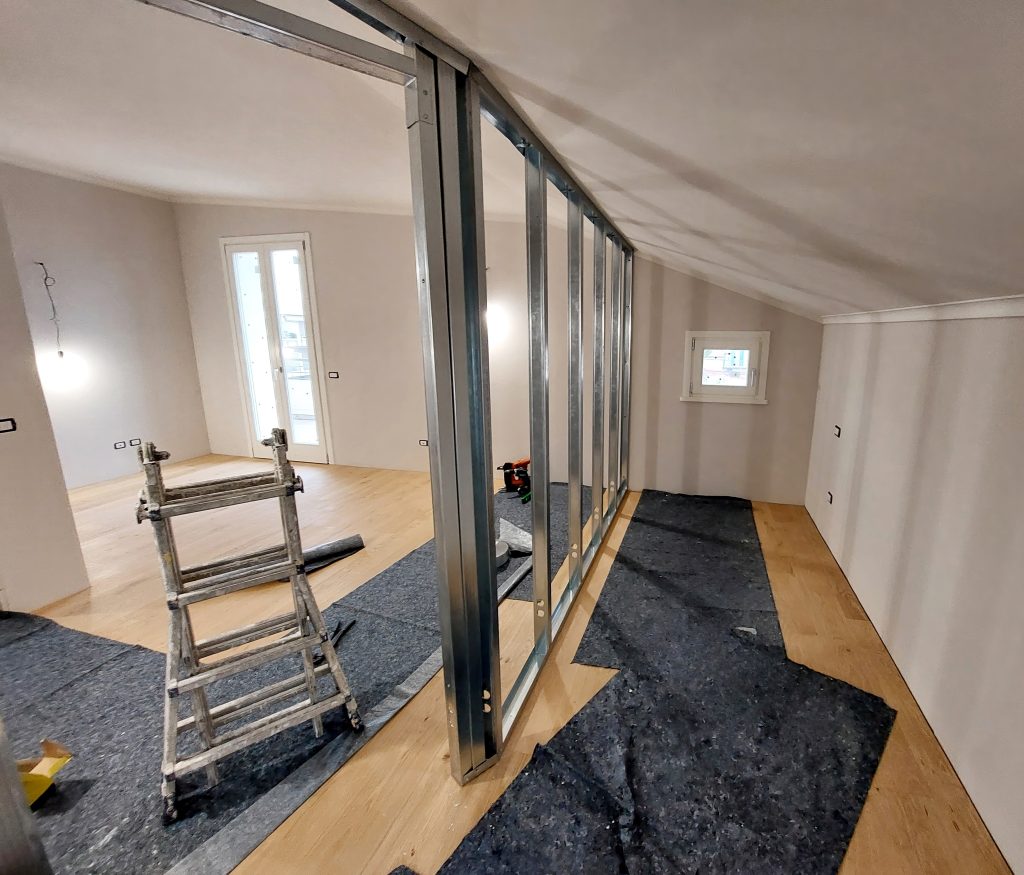
Office and residential partitions benefit from aluminium’s light weight and easy installation.
Aluminium sheets can be custom-fabricated to match different interior themes and maintain a modern, clean aesthetic.
They’re also more durable and corrosion-resistant than wood or plastic, making for excellent options in high-moisture areas like kitchens or bathrooms.
Benefits of Aluminium Sheets for Construction
Here’s where aluminium truly shines. While steel, wood, and plastic each have their place, aluminium sheets combine their best traits while eliminating their weaknesses.
Let’s break down these key benefits, comparing aluminium to other construction materials.
Lightweight Yet Strong
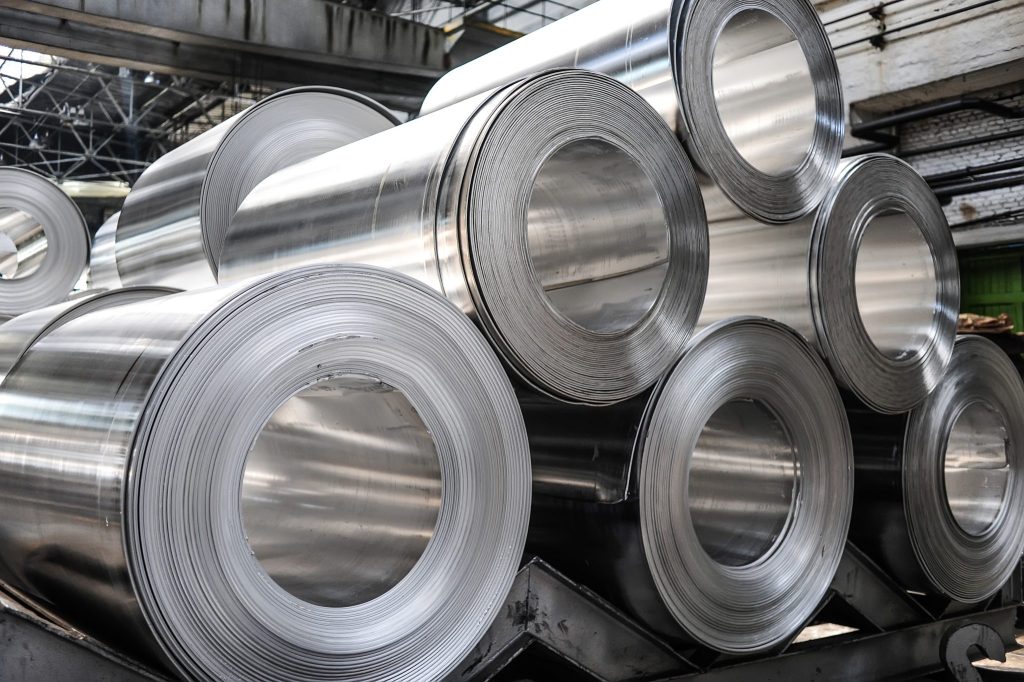
Aluminium is significantly lighter than steel, roughly one-third of its weight, making it an excellent choice for non-load-bearing applications.
Steel and reinforced concrete would still be the superior material for load-bearing structures, however, given their greater stiffness. However, aluminium has the edge when it comes to:
- Compared to steel: Aluminium is easier to transport and install, reducing labour and equipment costs.
- Compared to wood: Aluminium doesn’t warp, shrink, or split under changing temperatures or humidity.
- Compared to plastic or acrylic: Aluminium offers far greater strength and impact resistance, making it an ideal choice for higher-end architectural projects.
Because of this lightweight nature, aluminium sheets are often used in roofing, facades, and partitions, from HDBs to landed homes and high-rise structures.
Excellent Corrosion Resistance
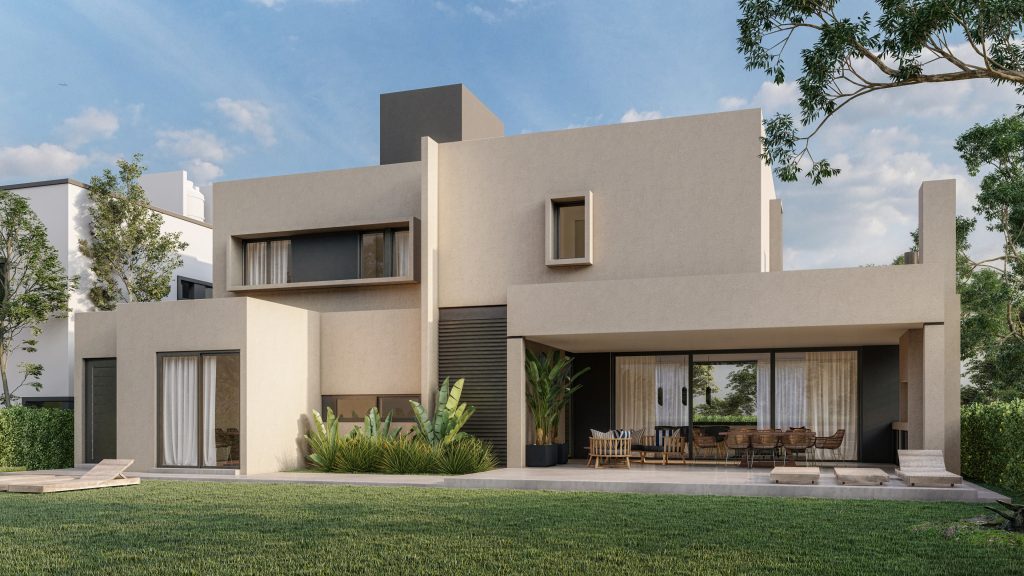
Aluminium sheets in Singapore are a popular choice among designers and builders for their non-corrosive properties.
In Singapore’s humid and marine climate, corrosion resistance is non-negotiable. Aluminium naturally resists corrosion by forming a thin, self-healing oxide layer that protects it from rust.
Here’s how other materials compare:
- Steel: Prone to corrosion unless galvanised or coated regularly. Once rust starts, it spreads quickly and weakens the material.
- Wood: Absorbs moisture and decays over time, especially in humid areas.
- Plastic: Doesn’t rust or decay, but degrades under UV exposure and loses mechanical strength.
Because of its corrosion resistance, aluminium requires minimal maintenance, needing only water, soap, and a clean sponge for regular cleaning.
Whether used for aluminium cladding, roofing, or wall panels, it performs consistently in humid environments, making it a preferred material across Singapore’s construction industry.
Weather and UV Resistance
Singapore’s tropical climate means constant exposure to sunlight, heat, and rain. Many materials struggle under these conditions, but aluminium thrives.
- Compared to steel: Aluminium doesn’t oxidise into red rust when exposed to rain and salt air.
- Compared to wood: Aluminium doesn’t fade or rot, whereas wood requires paint or sealants to prevent UV damage.
- Compared to plastic and acrylic: Aluminium won’t crack or deform under intense heat, while plastics may warp or discolour with long-term UV exposure.
For facades and decorative panels that face Singapore’s blazing sun and heavy rain, aluminium sheets maintain their surface finish.
Easy Fabrication and Design Flexibility
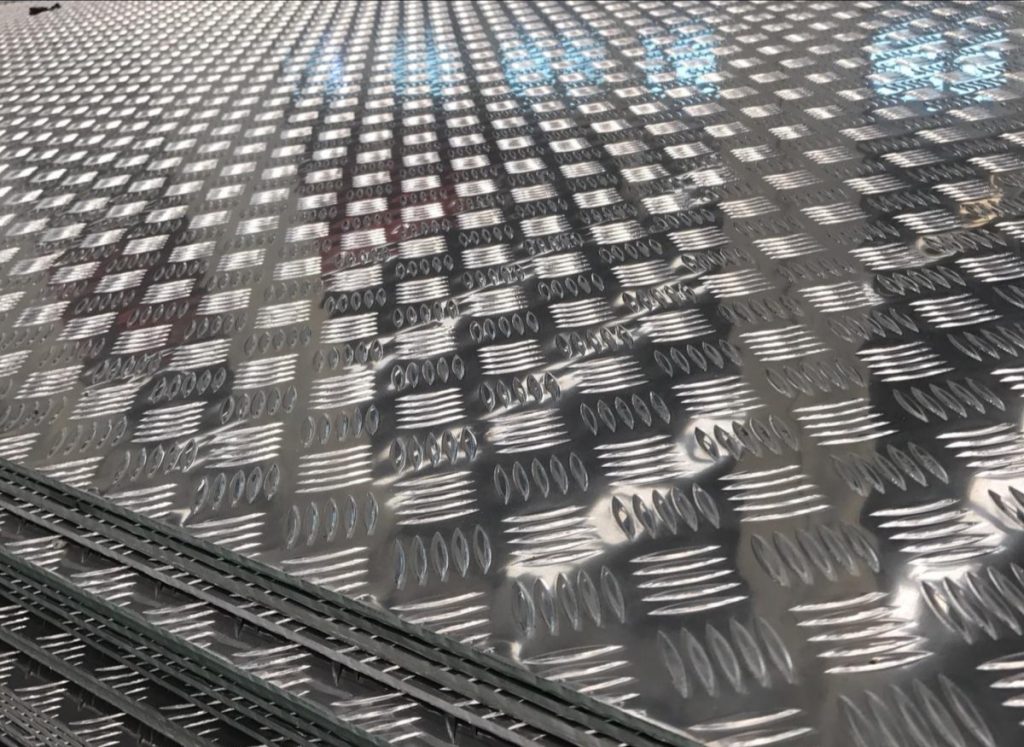
Aluminium offers exceptional design flexibility. It can be bent, cut, punched, and welded with ease. This allows custom fabrication for intricate facades, decorative panels, and wall systems.
By contrast:
- Steel requires more energy and heavy machinery to shape than aluminium.
- Wood fabrication time is generally longer than that of aluminium, and results can vary depending on grain quality and moisture content.
- Acrylic and plastic are easy to mould and shape, but they lack structural strength.
Because aluminium is both lightweight and easily fabricated, it’s ideal for modern architecture where function meets design.
For example, perforated aluminium panels are now widely used for ventilation, sun shading, and aesthetic facades that elevate commercial buildings and public structures.
Low Maintenance and Long Service Life
Maintenance costs are a significant concern for any construction project. Here’s how aluminium compares to other materials over time:
- Aluminium: Only needs occasional washing with mild soap and clean water to stay in top shape.
- Steel: Needs regular painting or galvanising to prevent rust.
- Wood: Requires varnishing and termite protection for adequate maintenance.
- Plastic: Can become brittle or discoloured under heat or when exposed to UV light.
Because aluminium doesn’t require surface coatings or repainting, its minimal maintenance translates to lower operational costs.
This is why commercial buildings and industrial facilities in Singapore often rely on aluminium cladding and roofing panels for long-term performance and aesthetic appeal.
Sustainability and Recyclability
Sustainability has become an essential part of Singapore’s construction goals, and aluminium fits perfectly into that vision.
- Aluminium is 100% recyclable without losing its quality or strength. Recycling uses only 5% of the energy required to produce new aluminium.
- Steel is also recyclable, but it consumes more energy to reprocess.
- Wood, while renewable, often requires chemical treatment for durability, reducing its eco-friendliness.
- Plastics and acrylics are less recyclable and often end up as waste.
Choosing aluminium means choosing sustainability, energy efficiency, and long-term value for your next architectural project.
Contact an Aluminium Sheet Supplier Now!
When it comes to construction materials, not all are created equal.
At HiMetal Singapore, we provide high-quality materials for construction, architecture, and industrial applications. Our aluminium sheets are designed for durability, corrosion resistance, and aesthetic performance for a wide range of purposes, from facade cladding to kitchen cabinets and partitions. All of which are essential for Singapore’s tropical environment.
We also offer custom fabrication options, ensuring your project receives precision-engineered aluminium components that meet exact specifications. With a focus on timely deliveries and expert support, HiMetal has built a reputation among architects, designers, and contractors as one of the most trusted aluminium suppliers in Singapore.
Contact us today to discover how our aluminium solutions can elevate your next construction project.
Frequently Asked Questions
Why Is Aluminium Better Than Steel For Construction?
Aluminium is lighter, easier to install, and naturally corrosion resistant, while steel requires coatings and more maintenance. Aluminium also improves energy efficiency by reflecting heat, ideal for Singapore’s weather.
Steel would still be the better choice for load-bearing structures, however, due to its better stiffness.
Can Aluminium Be Used For Exterior Structures?
Yes. Aluminium cladding, roofing, and facades are excellent for outdoor use because the material resists corrosion and weathering. Aluminium is an excellent option, especially in coastal and marine areas.
Is Aluminium Safe For Construction Projects?
Absolutely. Aluminium offers strong fire resistance and doesn’t release toxic fumes. It’s a safe, durable, and reliable material for buildings of all sizes.
Does Aluminium Require Much Maintenance?
No. Aluminium only needs basic cleaning with mild detergent and clean water. It doesn’t rust or degrade, reducing maintenance costs and ensuring aluminium always looks new.