
Key Takeaways
- Routine cleaning with mild soap, detergent, and warm water helps maintain the protective layer of stainless steel.
- Avoid abrasive cleaning solutions, such as steel wool, abrasive cleaners, and harsh chemicals like hydrochloric acid.
- Always wipe with the grain and dry after rinsing to prevent moisture build-up.
- Select the correct stainless steel grade for your service environment.
- Always opt for the gentlest solution possible. Stainless steel is robust and corrosion-resistant, but it can also be sensitive to cleaning solutions. Higher strength doesn’t mean better.
In Singapore’s building and design landscape, stainless steel is a favourite.
From wall panels and structural components to industrial machinery and kitchen appliances, its reputation for excellent corrosion resistance, durability, and aesthetic appeal makes it a go-to choice across industries.
However, even the most highly resistant stainless steel sheets can lose their shiny appearance and strength without proper care. Factors such as humidity, air pollutants, and improper cleaning practices can gradually dull the surface, degrade the protective layer, and shorten the lifespan of this otherwise long-lasting material.
This guide outlines everything you need to know about keeping stainless steel surfaces in top condition. We’ll cover the types of deterioration, best cleaning methods, and maintenance tips that preserve the material’s integrity for years to come.
Potential Deterioration Stainless Steel May Face
Stainless steel is known for its corrosion resistance, but it’s not indestructible. When exposed to harsh environments or improper cleaning, it can degrade.
Let’s explore the most common types of deterioration you may encounter in Singapore’s hot and humid climate.
Corrosion
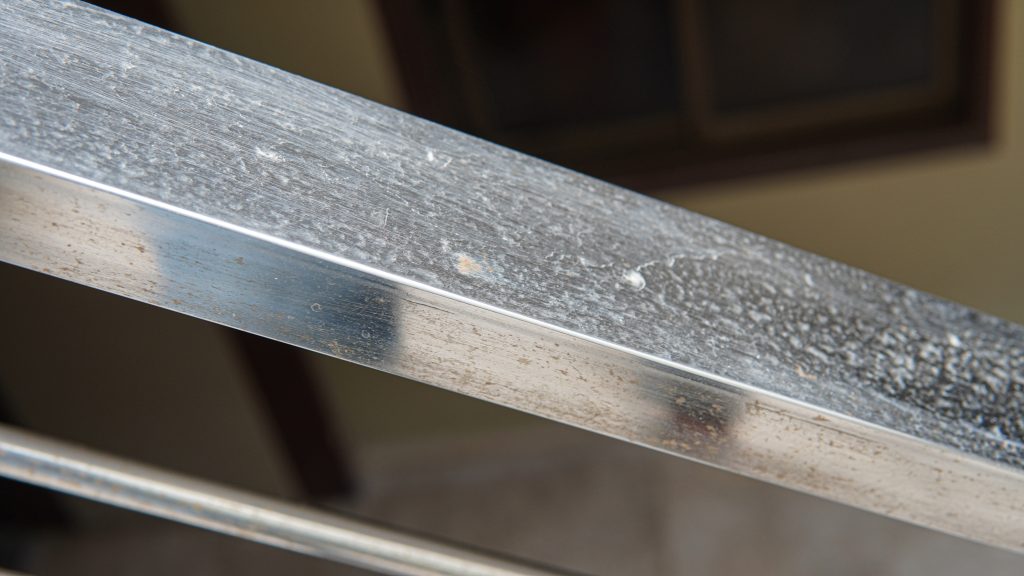
Corrosion remains the most common challenge affecting stainless steel products, especially in outdoor or industrial applications.
Stainless steel’s protection depends on a thin, invisible protective chromium oxide layer that naturally forms on its surface. This passive layer acts as a barrier, shielding the underlying metal from air and moisture. However, once this layer is compromised, oxidation begins.
Common causes of corrosion include:
- Surface contamination from mild steel or carbon steel particles during fabrication.
- Cleaning residue from harsh chemicals like hydrochloric acid, bleach, or abrasive agents.
- Exposure to salt-laden air, especially near Singapore’s coastal areas.
- Improper storage, where moisture or dust can accumulate.
- Excessive heat input during welding, which damages the chromium oxide film.
- Poor cleaning practices, such as using steel wool or rough scouring pads, which can scratch the metal surface.
Once the passive layer is broken, rust spots and further oxidation can form. These not only tarnish the surface but also affect the structural integrity of the material.
Mechanical Wear
Mechanical wear happens when the stainless steel surface experiences repeated friction, pressure, or impact. This can occur in high-traffic areas, machinery housings, or any application where contact is frequent.
Over time, scratches and abrasions remove the protective layer, making the surface more prone to corrosion and losing its shiny finish.
To reduce wear, avoid dragging heavy tools or other materials across stainless steel and use soft cloths or microfiber cloths for maintenance.
Environmental Degradation
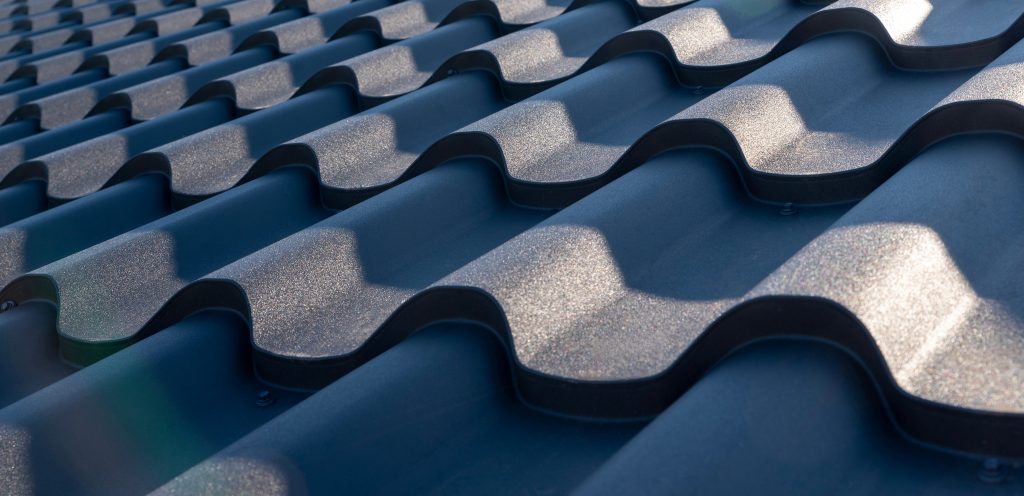
Environmental degradation is another concern in Singapore’s tropical climate. High humidity, rainfall, and airborne salt particles can slowly degrade stainless steel items used outdoors.
In external applications such as façades and handrails, water spots, stains, and dulling may occur due to moisture build-up and pollution.
Hence, stainless steel plate suppliers in Singapore recommend regular cleaning to maintain stainless steel’s protective properties amidst the country’s tropical climate.
Maintaining and Caring for Stainless Steel
Proper maintenance of stainless steel sheets isn’t complicated, but it does require consistent effort and the right tools. Whether you’re working with polished or brushed finishes, the goal is to preserve the smooth surface and protect the passive layer from contamination.
Routine Cleaning
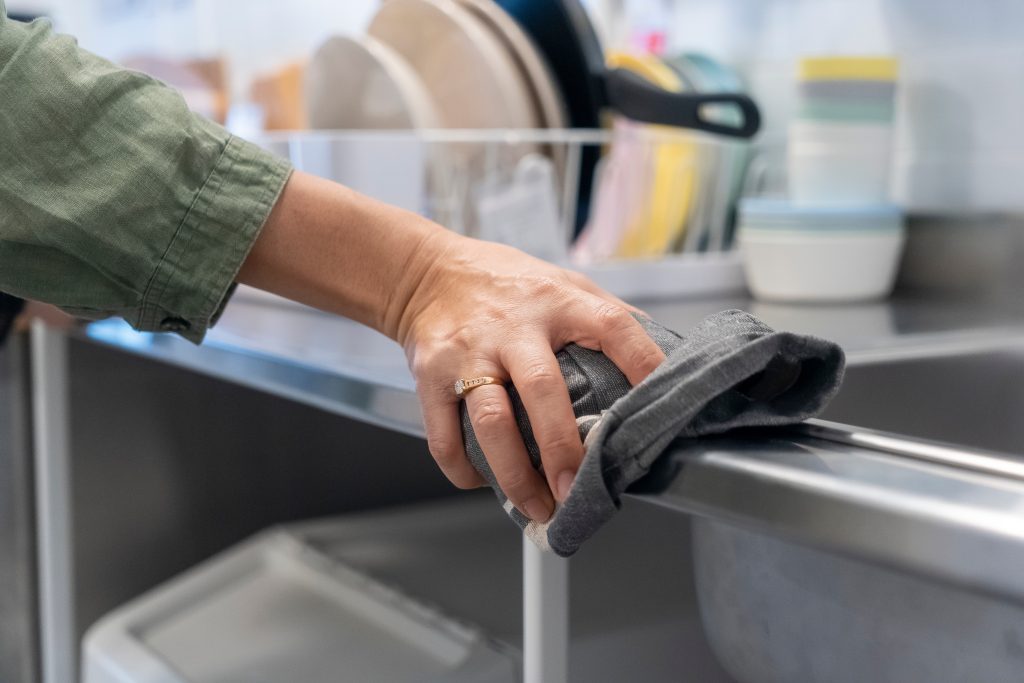
Regular cleaning is the simplest and most effective way to prevent corrosion and maintain the shiny finish. It’s also no different from cleaning your stainless steel utensils and cookware.
Follow these steps for routine cleaning:
- Mix mild soap, mild detergent, or dish soap with warm water.
- Apply the solution with a soft cloth, clean sponge, or soft-fibre brush.
- Rinse with clean water to remove all residues.
- Dry with soft cloths or a microfiber cloth to prevent moisture from lingering.
A dilute (1%) ammonia solution can help with lightly soiled aluminium without harming the protective layer. This method works well for maintaining both stainless steel sheets and smaller items, such as panels and fixtures.
Preventing and Removing Rust or Discolouration
Discolouration and rust stains are signs of mild oxidation or surface contamination. If left untreated, rust can chew through the aluminium and affect its strength.
Discolouration and rust usually appear when stainless steel is exposed to salt, air pollutants, or abrasive cleaning residues.
To remove them:
- Use a mild, non-scratching cream or metal polish.
- Apply gently with a soft cloth or soft sponge.
- Rinse off all residues with clean water
- Dry thoroughly
Avoid using chloride-based solutions or abrasive cleaners. These can damage the chromium oxide film, making the surface more susceptible to corrosion.
Dealing with Soot and Carbon Build-up
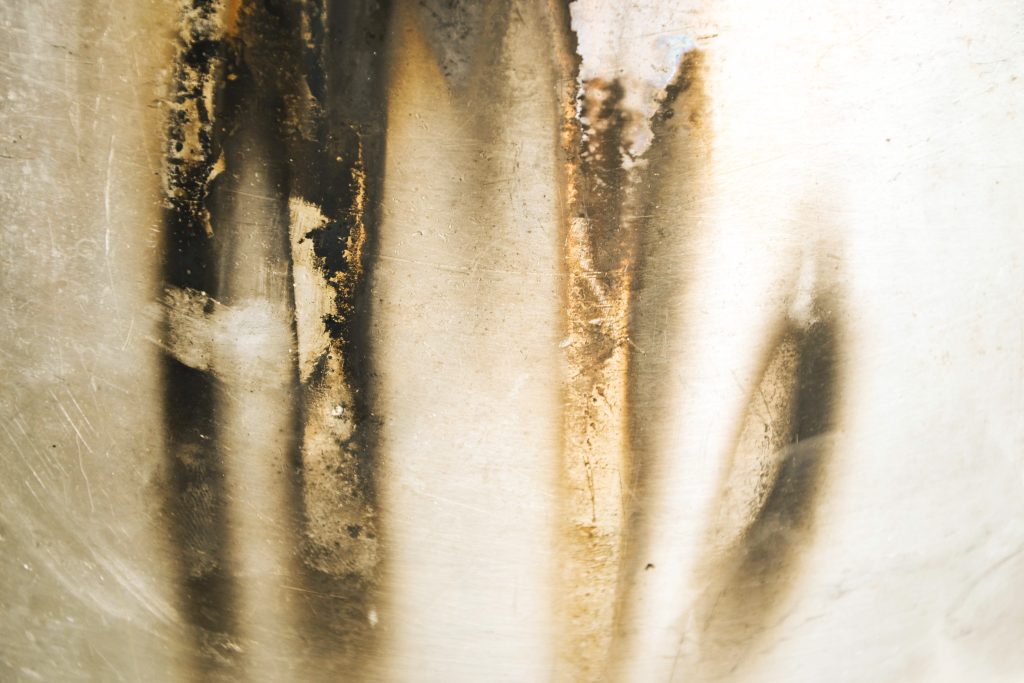
Carbon deposits form when stainless steel is exposed to combustion by-products or high heat. These deposits appear as dark, soot-like films and can weaken the protective layer if left untreated.
To clean:
- Pre-soak the area in hot water mixed with detergent or an ammonia solution.
- Scrub gently using a nylon brush and fine scouring powder if needed (Brush with the grain!)
- Rinse well and dry.
- Repeat steps 1-3 if necessary.
- Finish with routine cleaning.
Handling Heat-induced Discolouration
Surfaces that endure excessive heat, such as exhaust systems or welded joints, can develop heat tints. These are bluish or brown patches caused by oxidation.
You can remove these discolourations by:
- Applying a non-scratching metal polish, such as Solvol Auto Chrome Metal Polish, and
- Gently buffing the surface with a nylon pad, such as Scotch-Brite, to remove the discolouration.
- Always rinse the metal surface with clean water after polishing
- Dry it thoroughly to prevent further oxidation.
Restoring Heavily Neglected Surfaces
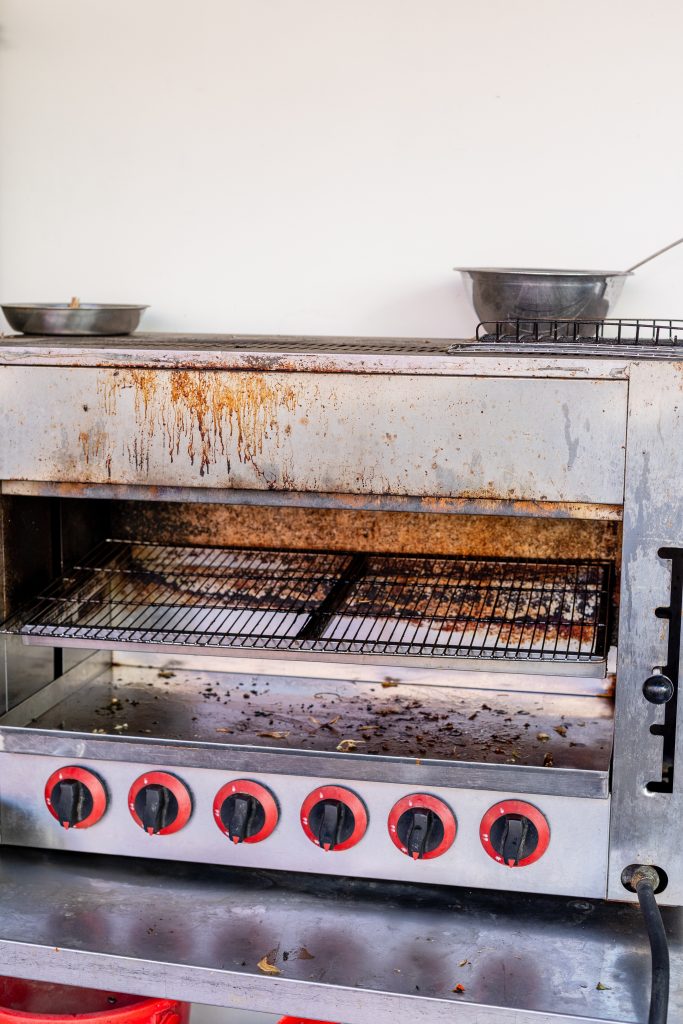
For stainless steel that has not been cleaned for a long time, grime, grease, and pollution can accumulate significantly. These accumulated layers of dirt, grease, oil, dust, and other contaminants build up over time on the stainless steel surface, causing an unsightly appearance.
You can restore neglected, grimy stainless steel surfaces by:
- Use a fine abrasive paste, such as T-Cut, which is commonly used for car body refinishing.
- Rub gently throughout the entire surface, not just the neglected patch. Doing so avoids a patchy appearance.
- Rinse thoroughly to remove all traces of paste. You wouldn’t want any residue of the abrasive paste lingering on the stainless steel. This may lead to further corrosion.
- Dry completely with a soft cloth.
These steps will restore the strength, function, and shiny finish of stainless steel sheets. However, it’s best you not reach this point in the first place. This can be avoided by regular, routine cleaning.
Maintenance Tips to Follow for Longer-Lasting Stainless Steel
Beyond cleaning, here are best practices to help your stainless steel sheets maintain their finish and integrity over the long term.
Never Use Abrasive Cleaners on Stainless Steel
Avoid steel wool, abrasive cleaners, or coarse pads. These can scratch the surface finish, removing the passive layer and leaving behind iron particles that trigger rust spots.
Always opt for soft cloths or microfiber cloths, and use proprietary stainless steel cleaners designed for delicate surfaces.
Wipe with the Grain
The texture shown below can pretty much be an eroded stainless steel finish resulting from wiping against the grain. Especially if you use an abrasive solution, like steel wool.
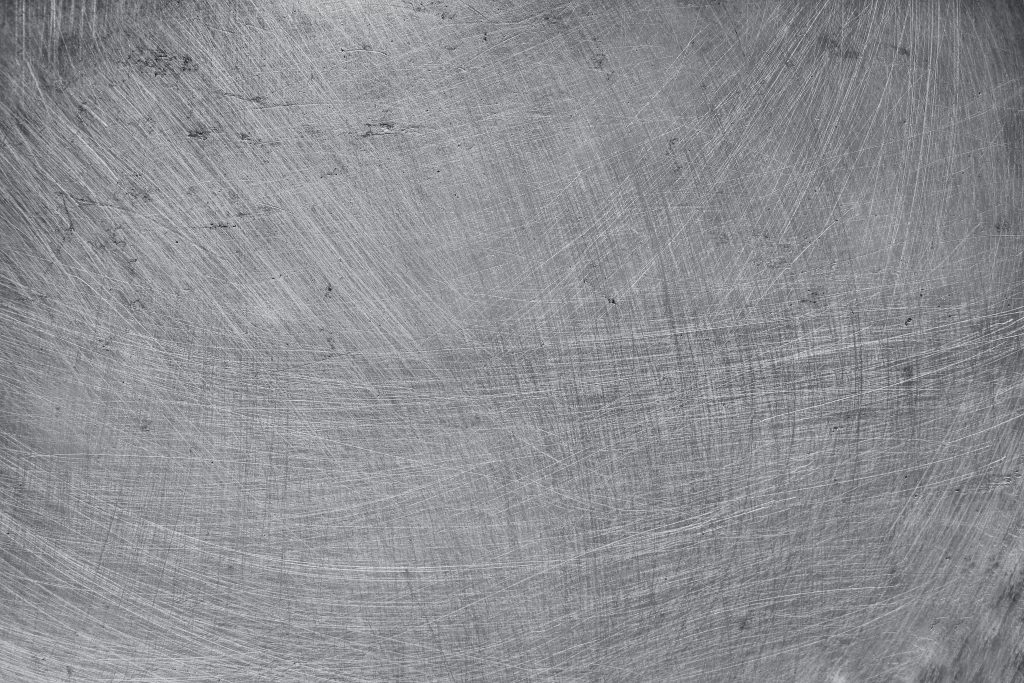
Many stainless steel surfaces, especially those with brushed finishes or cold-rolled textures, have a visible grain direction. Always wipe with the grain when cleaning stainless steel. This prevents swirl marks and keeps the smooth surface looking uniform.
Don’t Use Chlorine or Bleach-Based Products
Bleach and chlorine-based cleaners attack the chromium oxide layer that makes stainless steel corrosion-resistant. Using them regularly will cause pitting and discolouration.
Instead, use a proprietary stainless steel cleaner, mild soap, or mild detergent with warm water. For stubborn stains, try baking soda as a gentle, non-abrasive alternative.
Clean Regularly
Consistent cleaning is essential, especially for external applications or surfaces near the coast. Dust, dirt, and moisture accelerate corrosion, so establish a routine cleaning schedule.
For indoor areas, clean at least once every three to six months. For outdoor installations or demanding environments, monthly cleaning may be necessary to prevent surface contamination and further oxidation.
Prevent Moisture and Humidity
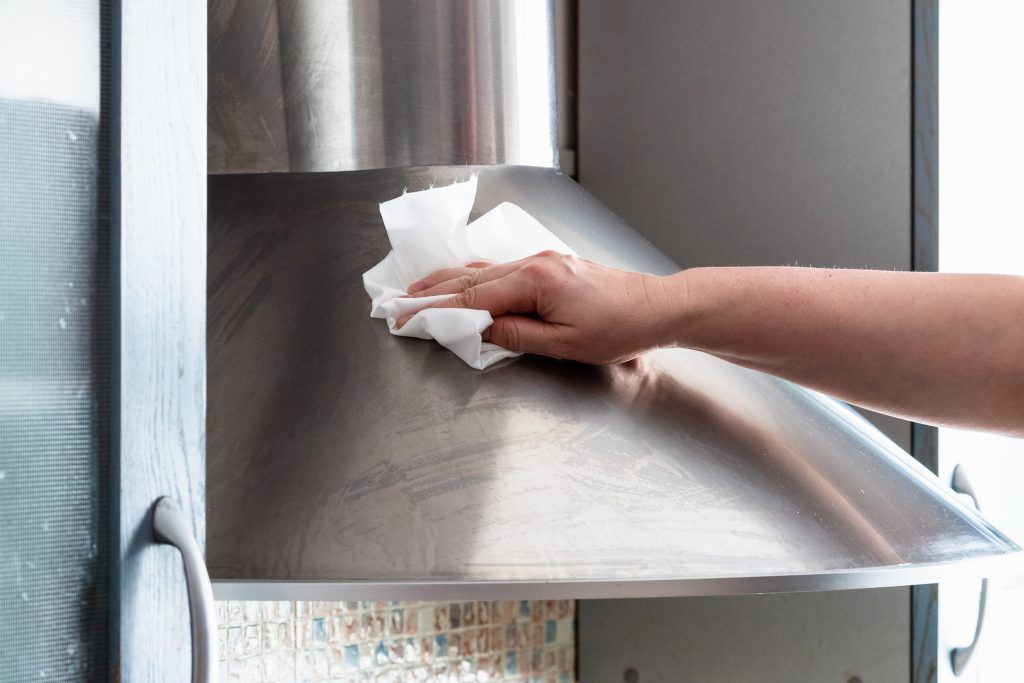
Water spots often occur due to moisture build-up, humidity, or standing water left on the stainless steel surface after washing. Over time, this trapped moisture can lead to corrosion.
To prevent this:
- Always dry surfaces with a soft cloth immediately after washing.
- Ensure adequate ventilation in enclosed areas to minimise humidity.
- Avoid leaving cleaning residue or soap films, as they can attract moisture and pollutants, or, worse, further corrode the stainless steel.
By keeping the stainless steel sheet dry and clean, you maintain both its visual appeal and its corrosion resistance.
Get the Proper Grade, Long-Lasting Stainless Steel Now
Selecting the right stainless steel grade is the foundation for long-term performance.
Working with a reputable stainless steel sheet supplier in Singapore, HiMetal ensures you receive materials suited to your specific environment, including construction, industrial, and architectural applications. Our stainless steel sheets, plates, and chequered plates are designed for demanding conditions and engineered for both durability and style.
We provide a wide range of stainless steel sheet grades, including
- 304 and 304L Stainless Steel. They provide excellent corrosion resistance, but mostly for indoor applications. This includes wall panels and architectural cladding in commercial and residential buildings
- 316 and 316L Stainless Steel. Their superior corrosion resistance makes them ideal for marine and coastal environments. Take, for example, exterior façades and roof cladding near the sea (Singapore’s coastal zones).
- 409 and 409L Stainless Steel. These have lower corrosion resistance than 304 or 316, but have better heat resistance and formability.
In addition to these varying stainless steel grades, we also provide chequered plates, perforated sheets, pipes, bars, and coils.
Get in touch with us today and get competitive pricing for your budget-critical architectural project.
Frequently Asked Questions
How often should stainless steel be cleaned?
Indoor stainless steel sheets should be cleaned every 3–6 months. For external applications or near the coast, increase cleaning frequency to prevent salt and pollutant build-up.
Can I use glass cleaner on stainless steel?
Yes, glass cleaner works well on stainless steel surfaces to restore shine. Just wipe it off completely with a soft cloth to avoid residue.
What causes rust spots on stainless steel?
Rust spots form when the chromium oxide film is damaged, often due to contact with carbon-steel tools, steel wool, abrasive cleaning methods, or residual cleaning solutions. Regular maintenance and proper cleaning can prevent corrosion.
Is baking soda safe for cleaning stainless steel?
Yes. Mix baking soda with warm water to form a mild paste. It’s non-abrasive and ideal for removing stubborn stains without harming the metal surface.